
What Medical Evidence Helps a Disability Appeal?
Why Medical Evidence Matters in Social Security Disability Appeals
Medical evidence is often the foundation of a successful Social Security Disability appeal. While many claimants assume that a diagnosis alone will establish eligibility for benefits, the Social Security Administration generally looks beyond the diagnosis itself. Instead, the agency evaluates how a medical condition affects a person’s ability to engage in substantial gainful employment and perform everyday work-related activities.
For disability claimants throughout Asheville and Western North Carolina, understanding what types of medical evidence may strengthen an appeal can be an important part of navigating the Social Security Disability process.
A Diagnosis Alone Is Often Not Enough
One of the most common misconceptions about disability claims is that proving a medical condition automatically qualifies someone for benefits.
In reality, Social Security focuses on functional limitations rather than diagnoses alone. Two individuals with the same condition may experience very different levels of impairment. As a result, the agency often looks closely at how symptoms affect a person’s ability to sit, stand, walk, concentrate, interact with others, maintain attendance, or perform other work-related activities.
For this reason, a diagnosis is often only the starting point of a disability claim.
Treatment Records and Medical History
Comprehensive treatment records are often among the most important pieces of evidence in a disability appeal. Social Security reviewers are not simply looking for proof that a condition exists. They are evaluating how long the condition has existed, what treatment has been provided, whether symptoms have improved, and how the condition affects day-to-day functioning. Consistent treatment records from physicians, specialists, therapists, and other healthcare providers can help create a more complete picture of a claimant’s limitations.
Diagnostic Testing and Objective Findings
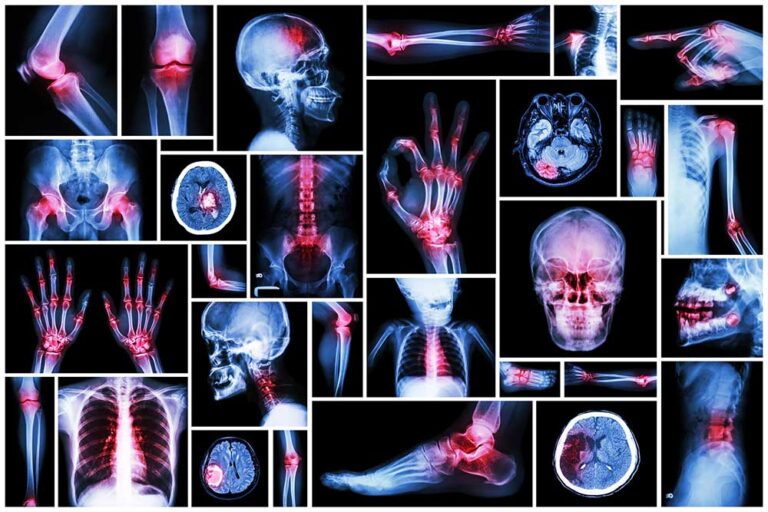
Objective testing can also play an important role in disability appeals. MRI studies, CT scans, laboratory testing, cardiac evaluations, neurological testing, and similar diagnostic tools may help document the existence and severity of a condition. However, test results alone rarely determine whether a claim will be approved. Social Security generally considers diagnostic findings together with treatment records, physician observations, and evidence of functional limitations.
Physician Opinions and Functional Limitations
Perhaps the most important question in a disability appeal is not what condition a person has, but how that condition affects their ability to work. Social Security evaluates whether a claimant can reliably perform work-related activities on a sustained basis.
Evidence regarding functional limitations may address:
- Ability to sit, stand, or walk
- Lifting and carrying restrictions
- Concentration and memory difficulties
- Attendance and reliability concerns
- Effects of chronic pain, fatigue, or medication side effects
A claimant with a serious diagnosis may still receive a denial if the evidence suggests some form of substantial gainful employment remains possible. Conversely, detailed evidence describing significant functional limitations may strengthen a disability appeal even when a diagnosis is not particularly rare or dramatic.
Continuing Treatment During the Appeals Process
Because disability appeals often take months or even years to resolve, updated medical evidence frequently becomes available after the initial claim is filed. Ongoing treatment can help document the progression of a condition, the effectiveness of treatment, and any continuing limitations. Many successful disability appeals ultimately rely on a more complete medical record than was available when the initial application was reviewed.
Key Considerations
- Medical evidence is often central to a disability appeal.
- A diagnosis alone does not automatically qualify someone for benefits.
- Social Security evaluates functional limitations and ability to work.
- Treatment records and specialist evaluations frequently play an important role.
- Diagnostic testing can provide valuable objective evidence.
- Continuing medical treatment may help document ongoing limitations.
Speak With The Moore Law Office
George Moore represents disability claimants throughout Asheville and Western North Carolina whose Social Security Disability claims have been denied. Disability appeals often depend on the quality and completeness of the medical evidence supporting a claim.
Understanding how medical records, physician opinions, and functional limitations fit within the Social Security Disability system can be an important part of pursuing benefits through the appeals process.
If your disability claim has been denied, contact The Moore Law Office to discuss your circumstances and learn more about your available appeal options.
FAQs

About The Moore Law Office
The Moore Law Office represents individuals and families throughout Asheville and Western North Carolina in matters involving family law, employment law, Social Security disability, and workers’ compensation claims. From the firm’s headquarters in Asheville, attorneys George Moore and Jennifer Moore provide client-focused representation grounded in careful preparation, clear communication, and practical legal guidance. To learn more about the firm’s services or to discuss your situation, please contact The Moore Law Office directly.
Content Disclaimer
The information contained in this article is intended for general informational purposes only and reflects the law and legal developments as of the date of publication. Laws, regulations, and legal interpretations may change over time. While The Moore Law Office strives to keep website content current and to update or supplement older articles when appropriate, readers should be aware that newer authority or more recent developments may affect the accuracy or applicability of prior content. Readers are encouraged to review more recent materials on this website and to consult qualified legal counsel regarding their specific circumstances.